
The current surge in U.S. infrastructure development—from data centers to fiber networks—has exposed the limitations of traditional project management tools. As billions of dollars pour ...

In Conversation with Craig Foley: Pioneering Sustainable Real Estate through Education and Innovation

Written by:
Date:
18 Oct 2024
Share via Facebook

Share via Linkedin

Share via X

Copy to clipboard

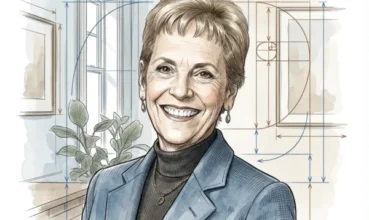
In a recent conversation with Craig Foley, a veteran real estate professional with over two decades of experience, we delved into the evolving landscape of sustainability in real estate. Foley, who serves as the Chief Sustainability Officer for LAER Realty Partners, offered insights into the challenges and opportunities facing the industry as it grapples with environmental concerns.
The real estate sector, responsible for a significant portion of global energy consumption and carbon emissions, is under increasing pressure to adopt sustainable practices. From energy-efficient designs to eco-friendly materials, the industry is seeing a shift in how properties are built, marketed, and sold.
Foley emphasized this growing importance of sustainability in real estate transactions, often being driven on the demand side of the equation. “Today’s buyers are more environmentally conscious than ever,” he noted. “They’re not just looking at location and price; they want to know about a property’s energy efficiency and environmental impact.”
The market trends support this shift towards sustainability. Younger generations, particularly Millennials and Gen Z, are showing increasing interest in the green credentials of homes, mirroring trends seen in sustainable investing. This growing demand is reshaping the real estate landscape, pushing the industry to adapt and innovate.
One of the key initiatives Foley is involved with is REthink39, named after the 39% of U.S. energy consumption attributed to the built environment. This project is aimed at reimagining real estate practices through a sustainability lens. The project encourages real estate professionals to consider the long-term environmental impact of properties and integrate eco-friendly practices into their daily operations.
“REthink39 is about challenging the status quo,” Foley explained. “We’re asking ourselves and our colleagues: how can we make every aspect of a real estate transaction more sustainable?”
Education also plays a crucial role in this transformation. Foley is actively involved in the National Association of Realtors (NAR) Green Designation program, which provides training to real estate professionals across the country. This initiative aims to equip realtors with knowledge about green buildings, energy efficiency, and sustainable practices.
When asked about the impact of this educational program, Foley said, “We’re seeing a real shift in how realtors approach property listings. More and more, they’re highlighting energy-efficient features and discussing long-term sustainability with their clients.”
And when it comes to the NAR settlement and its impact on real estate sales practices, Foley observed that while the settlement has disrupted traditional methods, it has also opened doors for innovation, including in the realm of sustainability.
“The settlement has shaken things up, no doubt,” Foley commented. “But it’s also created an opportunity for realtors to differentiate themselves. Sustainability knowledge is becoming a valuable asset to agents in this new landscape.”
Looking ahead, Foley sees both challenges and opportunities for sustainability in real estate. The industry still faces hurdles in terms of widespread adoption of green practices and the perception of increased costs associated with sustainable features. However, as awareness grows and technology advances, Foley believes sustainability will become an integral part of every real estate transaction.
“This isn’t a trend that’s going away,” Foley stated. “Sustainability in real estate is here to stay, and it’s only going to become more important. As professionals, we need to be at the forefront of this change.”
Looking to the future, Foley identified several trends that are likely to shape sustainable real estate. Heat pumps have already begun to outsell natural gas furnaces, and the integration of homes with electric vehicle charging infrastructure is becoming increasingly common. Battery storage systems are gaining traction, especially in remote communities prone to power outages.
As the real estate industry continues to grapple with its environmental impact and adapt to changing consumer preferences, leaders like Craig Foley are paving the way for a more sustainable future. Through education, advocacy, and personal examples, they are demonstrating that sustainability in real estate is not just an ethical imperative, but a sound business strategy in an increasingly environmentally conscious market.
Similar Articles
Explore similar articles from Our Team of Experts.